
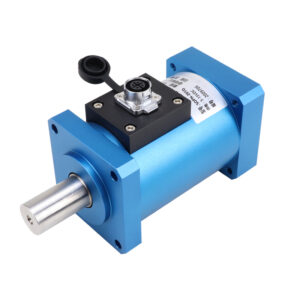
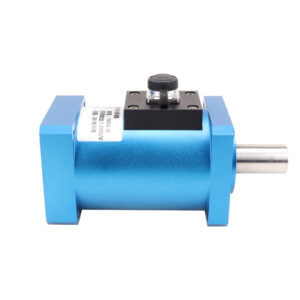
1、The small rotating torque sensor is used to measure the rotating torque in clockwise and counterclockwise directions.
2、The sensor is installed between the motor and the load through the coupling, the shell remains static during the measurement, and the shaft rotates with the motor shaft.
3、High precision,stable and reliable performance.
4、High speed and long time operation.
5、 Output positive and reverse torque signal.

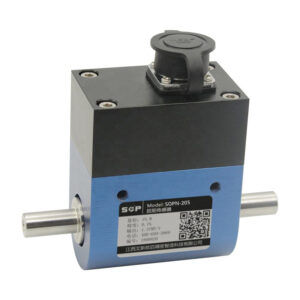
1、The small rotating torque sensor is used to measure the rotating torque in clockwise and counterclockwise directions.
2、The sensor is installed between the motor and the load through the coupling, the shell remains static during the measurement, and the shaft rotates with the motor shaft.
3、High precision,stable and reliable performance.
4、High speed and long time operation.
5、 Output positive and reverse torque signal.
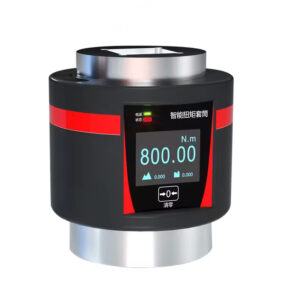
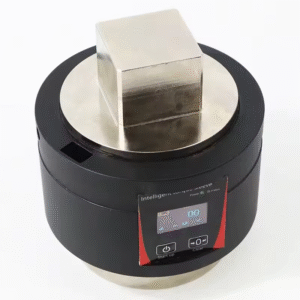
1. It can measure both static torque and rotational torque
2. The torque accuracy can reach ± 0.5% F.S
3. The torque range and sleeve price can be customized according to needs
4. The sleeve is equipped with a display screen that can display the tightening torque in real time
5. It has real-time torque and peak torque selection switching display
6. Equipped with wireless torque data real-time transmission function, wireless data transmission distance<10 meters
7. The matching computer testing software can display real-time torque and automatically save information such as the number of bolts tightened, torque curve, etc. as an Excel format file for easy traceability and query
8. After charging, the working time is about 10 hours
9. Can be applied to hydraulic torque wrenches, electric torque wrenches, and pneumatic torque wrenches to achieve torque data communication transmission and automatic control
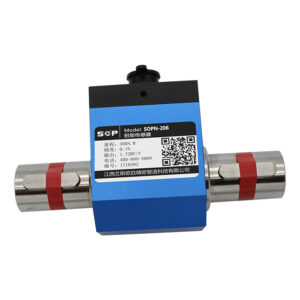

1、The small rotating torque sensor is used to measure the rotating torque in clockwise and counterclockwise directions.
2、The sensor is installed between the motor and the load through the coupling, the shell remains static during the measurement, and the shaft rotates with the motor shaft.
3、High precision,stable and reliable performance.
4、High speed and long time operation.
5、 Output positive and reverse torque signal.
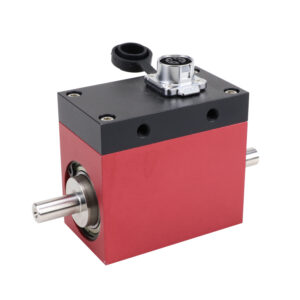
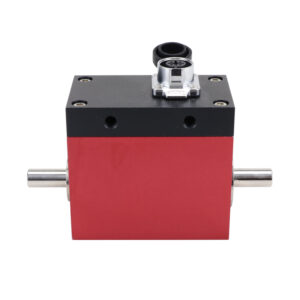
1、The small rotating torque sensor is used to measure the rotating torque in clockwise and counterclockwise directions.
2、The sensor is installed between the motor and the load through the coupling, the shell remains static during the measurement, and the shaft rotates with the motor shaft.
3、High precision,stable and reliable performance.
4、High speed and long time operation.
5、 Output positive and reverse torque signal.
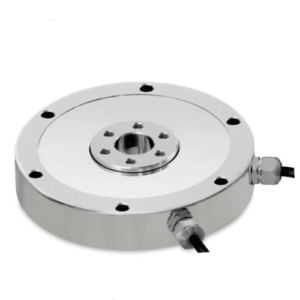
The ZM2DW force sensor F, M utilizes independent wheatstone full bridge for each axis which provides mV/V output proportional to the applied force and requires no mathematical manipulation. Typical applications for this type of transducer are for example force exertion control in robotics, automotive crash testing, industrial test benches, grinding force control, actuator operating force measurement,etc.
Compact size
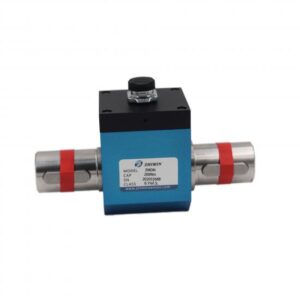
ZMDN is a high-precision rotarting torque sensor. The max rotating speed that the sensor can accept is 3000rpm. The output signal of ZMDN is from 1.0-1.5mv/v. Analog transmitter 4-20mA, 0-5V, 0-10V is optional.
Stainless steel body
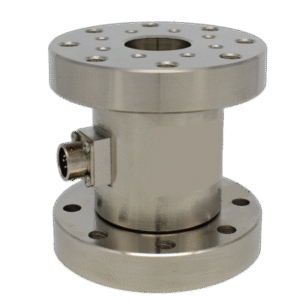
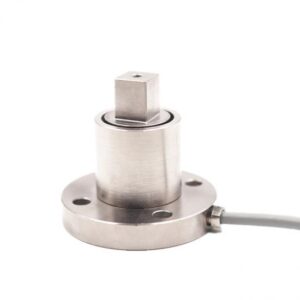
Flange to square torque sensor ZMNJF is a non-rotating type torque transducer that converts a torsional mechanical input into an electrical output signal. ZMNJF can be used in both clockwise and counterclockwise direction ranging from 1Nm up to 500Nm. The measuring range and flange/square size can be customized to meet customer’s requirements.
Nickel plated alloy steel
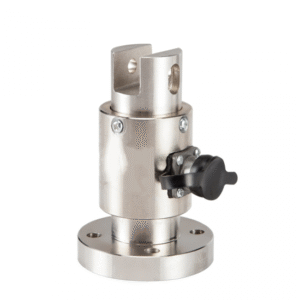
The ZMNJ is a non-rotating type torque transducer that converts a torsional mechanical input into an electrical output signal. The ZMNJ can be used in both clockwise and counterclockwise direction ranging from 1Nm up to 200Nm. The sensor is used in static and non-rotating torsion measure applications.
Nickel plated alloy steel
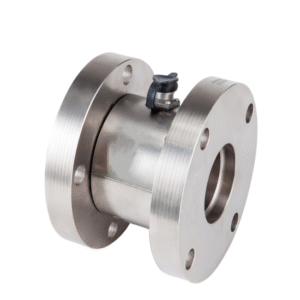
The ZMNJF2 is a non-rotating type torque transducer that converts a torsional mechanical input into an electrical output signal. The ZMNJF2 can be used in both clockwise and counterclockwise direction ranging from 1000Nm up to 5000Nm. The sensor is used in static and non-rotating torsion measure applications.
Nickel plated alloy steel
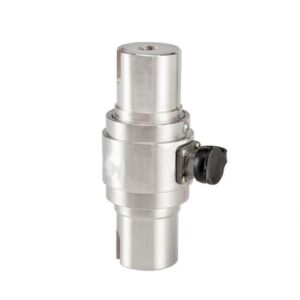
The ZMZNJ is dual range shaft torque sensor. The torque sensor measures shaft-shaft type connection, measuring torsion by strain gages. There are both analog and digital output signals available for evaluation. The stainless steel construction is optional.
Nickel plated alloy steel